Comprehensive Guide to Durable Stainless Mesh Screen and its Applications
Understanding Stainless Mesh Screen: A Comprehensive Guide
Stainless mesh screen is a versatile material used across diverse industries, from filtration and separation to security and architectural applications. Its durability, corrosion resistance, and precise weave make it a superior choice compared to other materials. This article provides an in-depth exploration of stainless mesh screen, covering its types, applications, benefits, and factors to consider when selecting the right mesh for your needs. We'll also highlight how QH Filter provides high-quality stainless mesh solutions tailored to your specific requirements.
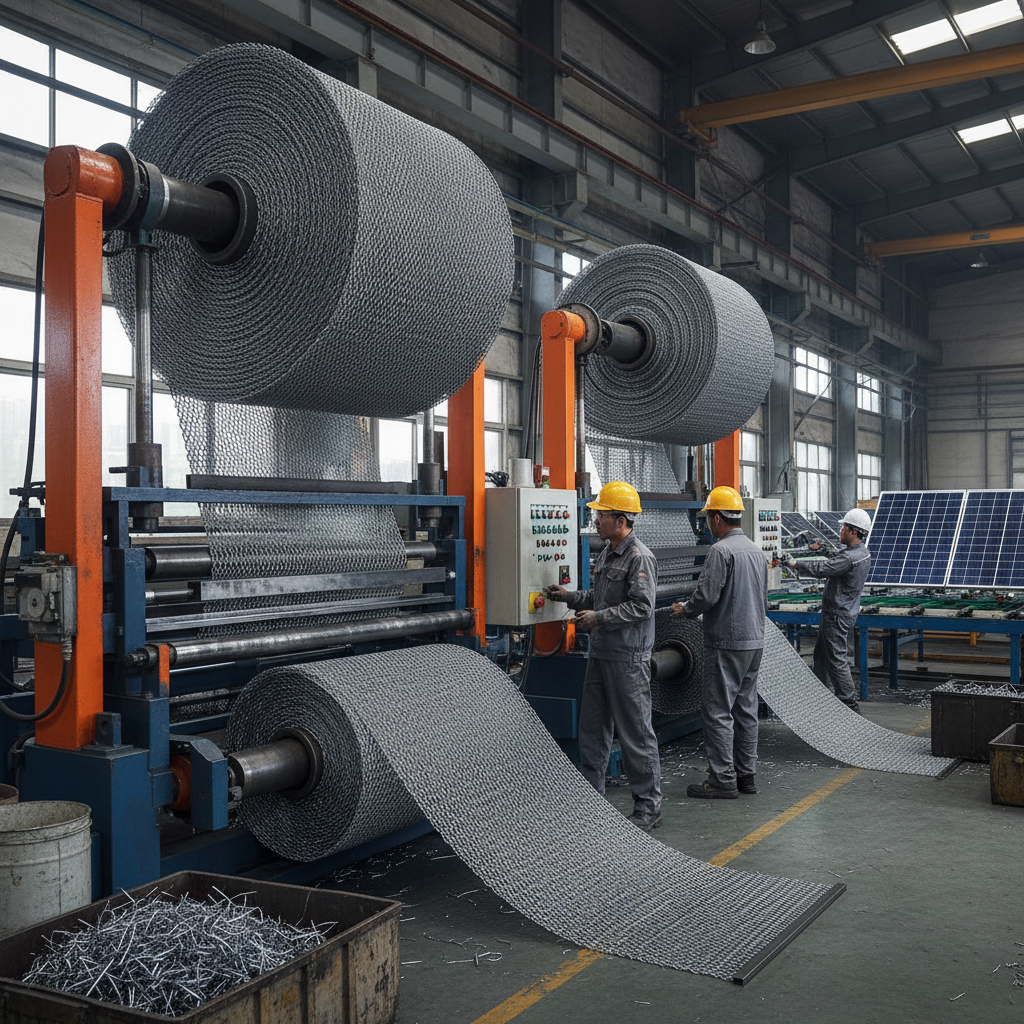
Types of Stainless Steel Mesh Screens
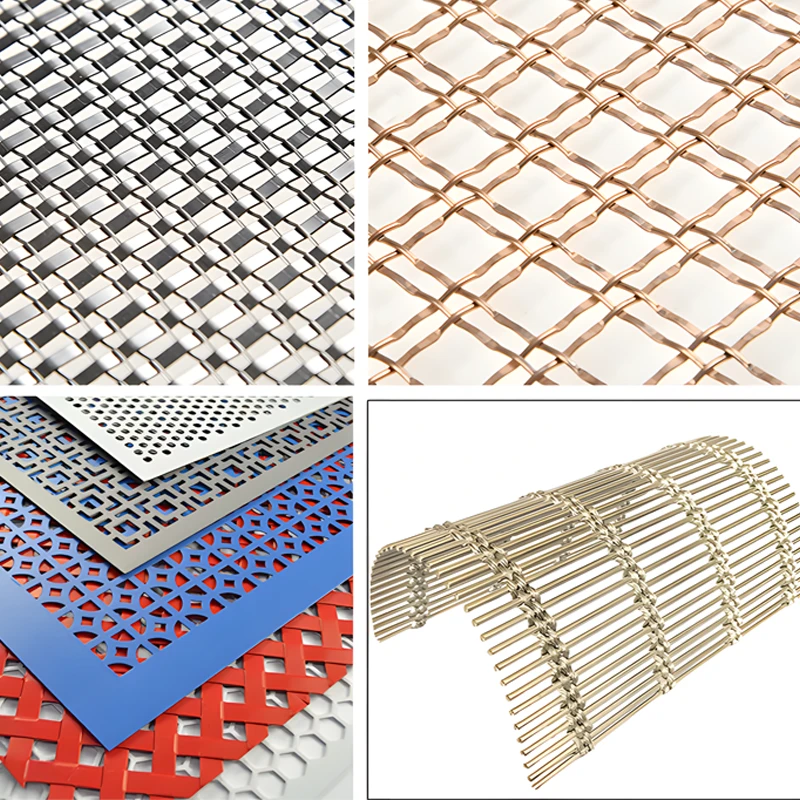
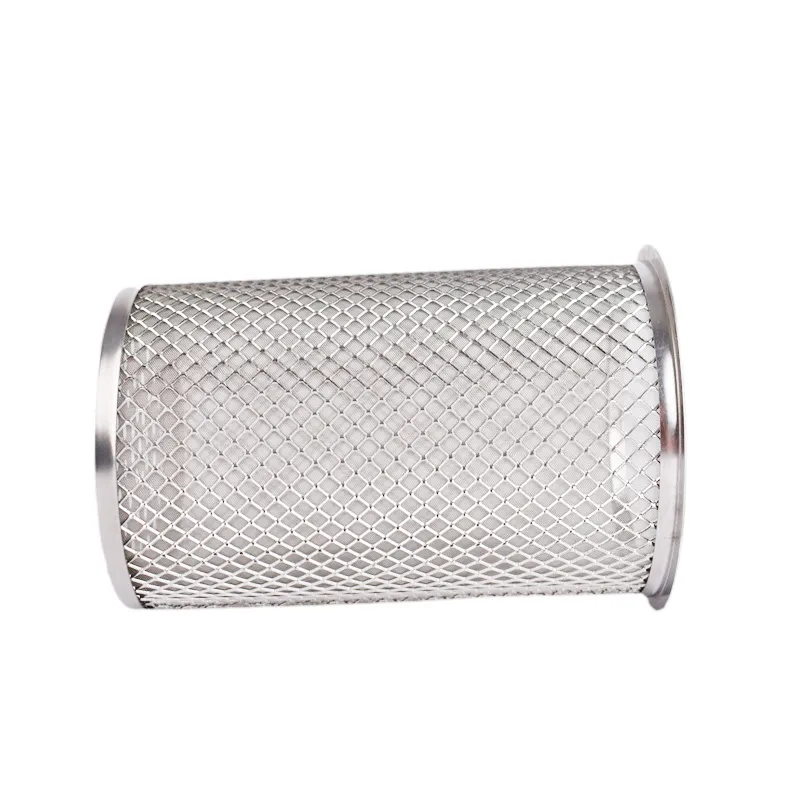
Stainless steel mesh screens aren't one-size-fits-all. They come in various weaves and grades to suit different applications. Common weave types include plain weave, twill weave, Dutch weave, and reverse Dutch weave. Each offers unique characteristics regarding filtration efficiency, flow rate, and structural integrity. The grade of stainless steel – such as 304, 316, 316L, and 439 – determines its corrosion resistance and suitability for specific environments. For example, 316 stainless steel is commonly used in marine applications due to its superior resistance to saltwater corrosion.
Key Takeaway: Choosing the correct weave and grade of stainless steel is crucial for optimal performance and longevity.
Applications of Stainless Mesh Screen
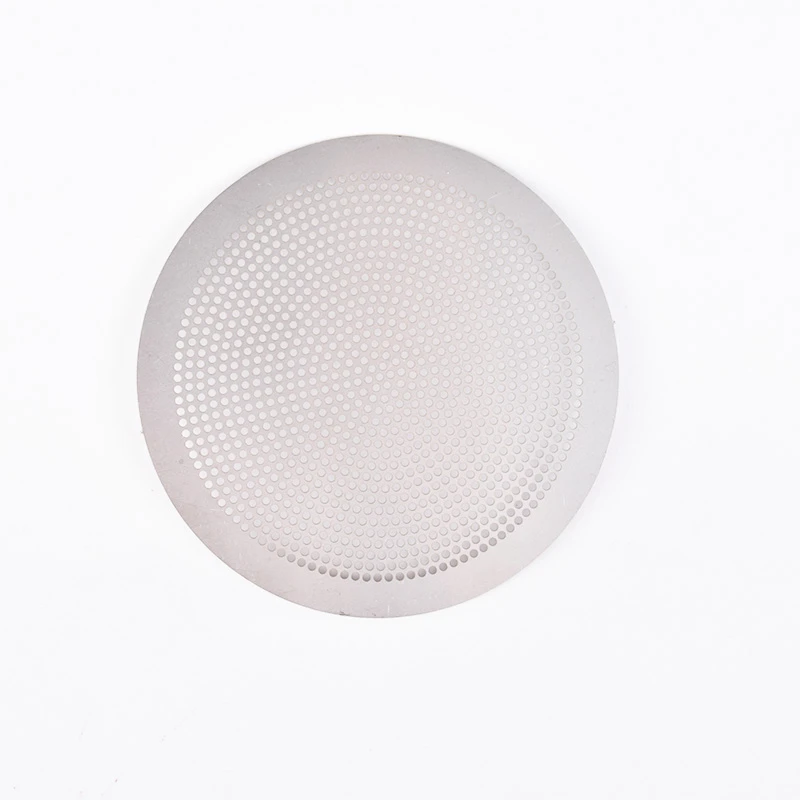
The applications of stainless mesh screen are incredibly diverse. In the food and beverage industry, it's used for filtration, straining, and separation processes. In pharmaceuticals, it ensures purity and prevents contamination. Industries relying on precise filtration, such as chemical processing and water treatment, also benefit greatly. Beyond industrial applications, stainless steel mesh screens are found in security fencing, architectural facades, and even speaker grills. QH Filter specializes in tailoring mesh solutions for these varied applications.
Common Applications:
• Filtration in food & beverage processing
• Pharmaceutical manufacturing
• Water and wastewater treatment
• Security fencing and screens
Key Factors When Choosing Stainless Mesh Screen
Selecting the appropriate stainless mesh screen requires careful consideration of several factors. Mesh count (the number of openings per inch) dictates the size of particles that can pass through. Wire diameter influences the screen's strength and durability. The aperture size (the opening between wires) must match the application’s filtration requirements. Environmental conditions, particularly exposure to corrosive substances, determine the optimal grade of stainless steel. Understanding these factors ensures you choose a mesh that delivers optimal performance and longevity.
Benefits of Using Stainless Steel Mesh Screen
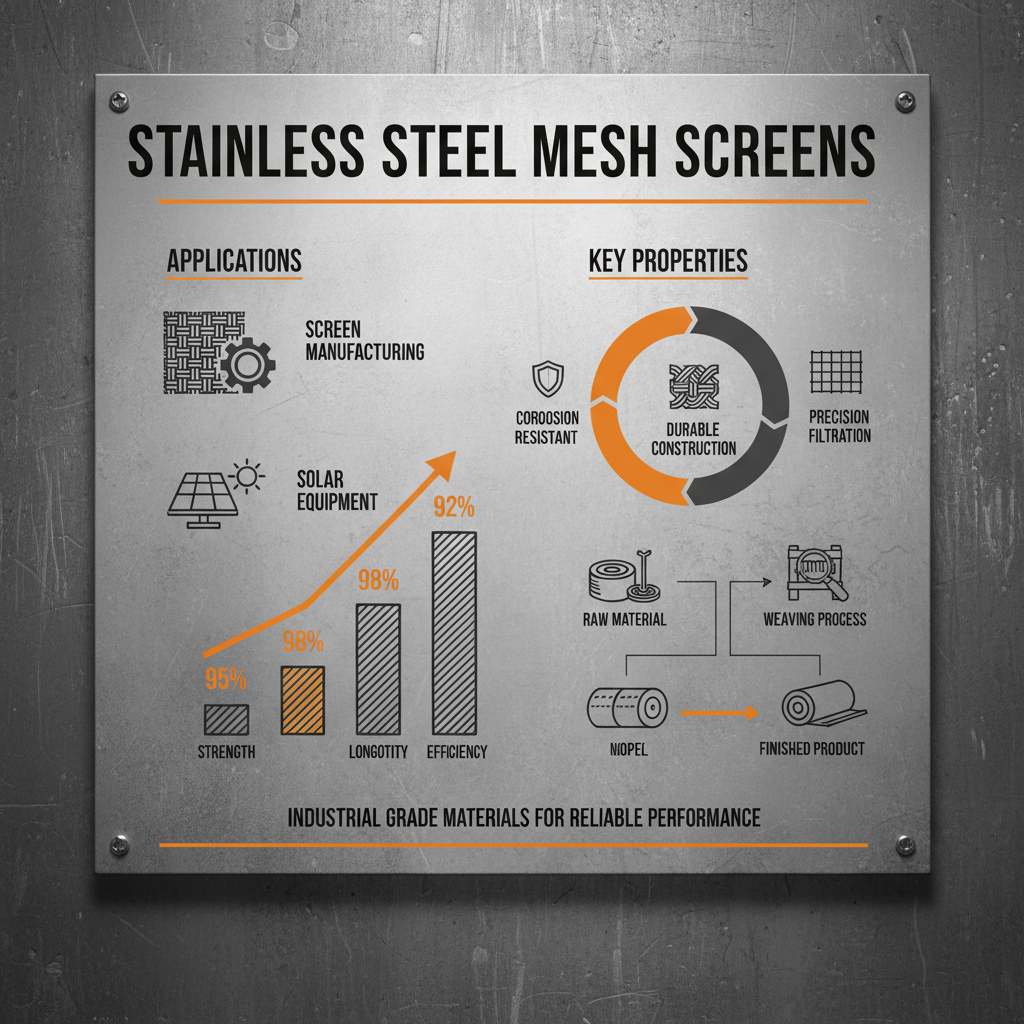
Compared to other materials, stainless steel mesh screen offers several distinct advantages. Its exceptional corrosion resistance ensures long-term performance even in harsh environments. It's remarkably durable, withstanding high temperatures and pressures. The precise weave provides consistent filtration and separation. Stainless steel is also hygienic and easy to clean, making it ideal for food and pharmaceutical applications. QH Filter is committed to providing stainless steel mesh that maximizes these benefits.
Why Choose QH Filter for Your Stainless Mesh Screen Needs?
At QH Filter, we specialize in providing high-quality stainless steel mesh screens tailored to your specific application. We offer a wide range of materials, weaves, and mesh counts. Our experienced team can assist you in selecting the optimal mesh for your needs and provide custom fabrication services. We are dedicated to delivering superior products and exceptional customer service. We pride ourselves on our competitive pricing and prompt delivery.
Conclusion: Partner with QH Filter for Superior Stainless Mesh Solutions
Choosing the right stainless mesh screen is crucial for achieving optimal performance and longevity. QH Filter offers a comprehensive selection of high-quality mesh products and expert guidance to ensure you find the perfect solution for your needs. Contact us today to discuss your requirements and experience the QH Filter difference.
Frequently Asked Questions (FAQs)
What is the difference between 304 and 316 stainless steel mesh?
Both 304 and 316 stainless steel offer excellent corrosion resistance, but 316 contains molybdenum, which significantly enhances its resistance to chloride corrosion. This makes 316 ideal for marine environments, chemical processing, and applications involving saltwater exposure. 304 is a more general-purpose stainless steel suitable for less corrosive environments and is often more cost-effective. Choosing the right grade depends on the specific application and the potential for corrosion.
How do I determine the correct mesh count for my application?
The correct mesh count depends on the size of the particles you need to filter or separate. A higher mesh count means smaller openings, which are suitable for finer particles. Consider the particle size distribution and choose a mesh count that will effectively retain the desired particles while allowing the larger particles to pass through. It’s often helpful to test different mesh counts to determine the optimal performance for your specific application.
Can stainless steel mesh screens be cut to custom sizes?
Yes, stainless steel mesh screens can be cut to custom sizes to meet your specific requirements. QH Filter offers custom fabrication services, including cutting, forming, and welding, to provide you with tailored mesh solutions. We can work with your specifications to create the perfect fit for your application.